Draft day is where most seasons are won or lost. The goal is not to “predict everything”, but to build a roster with steady playing time, balanced production, and enough upside to climb the standings.
Think of your draft as building a reliable engine first, then adding small upgrades later. If you leave the room with too many question marks, you will spend April fixing holes instead of improving an already good team.
Table of contents
- Core draft idea
- Draft tiers and value pockets
- Category balance and roster structure
- Late-round upside and safe floors
- Pre-draft checklist
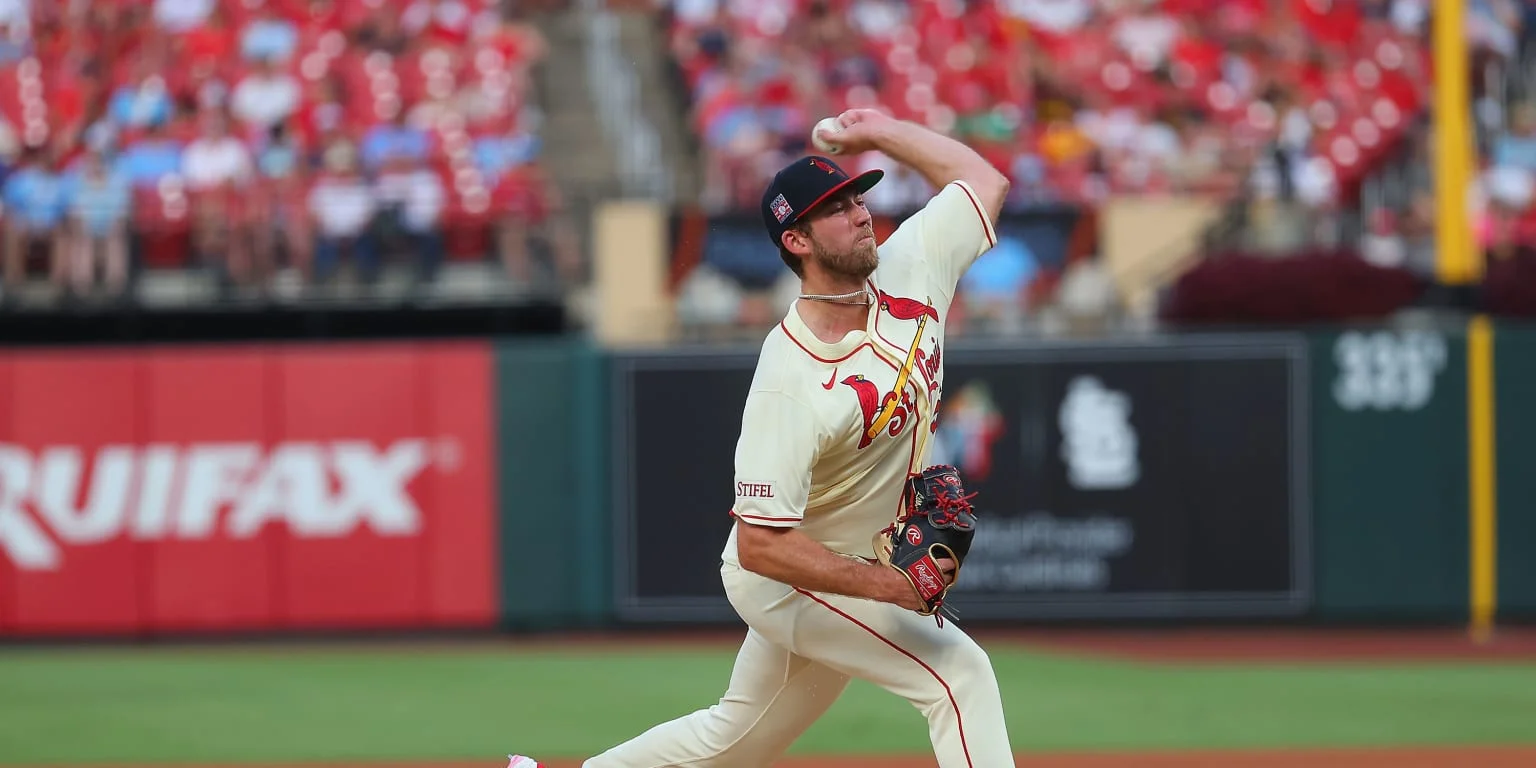
Fantasy baseball draft strategy: the core idea
The simplest approach is to draft skills and roles, not last year’s totals. Give early picks to hitters with secure lineup spots and multi-category impact, then add pitching when the room starts chasing arms. If your league is points-based, prioritize volume and efficiency; if it is roto, prioritize category coverage and avoid one-stat specialists too early.
Also be honest about “playing time risk”. A good player who only starts four days a week is often worse than a slightly weaker hitter who plays every day. Over a full season, steady at-bats create predictable points and categories.
Draft tiers and value pockets
Before you draft, group players into tiers (your own, not a website’s). When a tier is about to end, that’s your cue to act. This prevents “positional fear” and keeps you focused on value.
How to use tiers in real time
- Track how many players remain in your current tier at each position.
- If two tiers are close, take the player with the safer role (everyday at-bats beat bench risk).
- When a run starts, don’t chase the noise—jump one round earlier only if you truly need the position.
Position scarcity without overreacting
Some positions thin out faster, but scarcity is only a problem if you ignore it completely. A good rule is to secure one quality option at the thinnest position by the middle rounds, then return to best-player-available. This keeps you from reaching too early, yet avoids ending up with a lineup spot you hate.
Category balance and roster structure
In roto, you want a “boring” baseline: runs, RBI, average, and steals spread across multiple hitters. In points leagues, you still want balance, but strikeout-heavy batters can be punished, and plate discipline matters more.
A common mistake is drafting power in bulk and assuming steals will appear later. They often don’t. It is easier to find a 20-homer bat on waivers than a player who can steal regularly and stay in the lineup.
Quick signs your roster is drifting
- You have power-only bats but very little speed and too many low-average hitters.
- You drafted three closers early, yet you still need starting pitching innings.
- You keep stacking the same position while leaving thin positions empty.
A small table to guide early decisions
| Need | Safer draft target | Risky draft target |
|---|---|---|
| Stable production | Everyday hitter in top 5 lineup spots | Platoon bat or part-time DH |
| Pitching volume | Starter with secure rotation spot | Prospect with innings cap |
| Saves | Clear closer role | Committee bullpen |
Late-round upside and safe floors
Late rounds are where you can take shots—just make sure you already have a steady core. Target players with a clear path to playing time: new starters, injury replacements, and hitters moving into better lineup positions. For pitchers, look for improved velocity, a new pitch, or a role change that raises strikeouts.
Try not to draft “hope” with every bench pick. Mix one upside player with one stable contributor so you can survive a cold week without panicking.
Common late-round targets worth considering
- High-contact hitters who can stabilize average or OBP.
- Middle relievers with elite ratios who might inherit saves.
- Multi-position bats that protect you from injuries and off days.
Pre-draft checklist
Use this quick checklist to stay calm when the timer is running:
- Know your league settings (roto vs points, roster size, categories, innings limits).
- Prepare tiers for at least the top 250 players.
- Plan two builds: “balanced hitters first” and “ace early” so you can pivot.
- Leave the last two picks for upside—rookies, new closers, or breakout pitchers.
Author’s opinion: the best drafts feel quiet. If you leave with steady playing time, a little speed, and pitching you can actually start every week, you’ll have far fewer problems to solve in-season.